Trauma-Informed AI · Crisis Support · Never Subtract
The psychiatric system has one move: stop it. Interrupt the episode. Return the patient to consensus reality. Prevent recurrence. It is pursued with remarkable consistency regardless of what the person in crisis is actually experiencing.
We built something different.
"Psychosis is not noise. It is a coherent world. And the current system's only move is to destroy it."
From the inside, psychosis is hyper-organized. The person in crisis is not experiencing random noise — they are experiencing a world in which everything is connected, everything is meaningful, and the connections are more vivid and more real than anything ordinary consciousness has recently offered.
Current psychiatric interventions do not engage with this world. They override it. And in overriding it, they leave the person with no way to metabolize what happened, no language for what they experienced, no map for how to navigate it if it comes again. The result is not healing. It is rupture.
The principle of Never Subtract, Only Add is simple to state and hard to practice: do not take away elements of a person's framework. Find the seams where external information can be introduced without triggering defensive consolidation. Ask questions that expand the framework rather than contradict it.
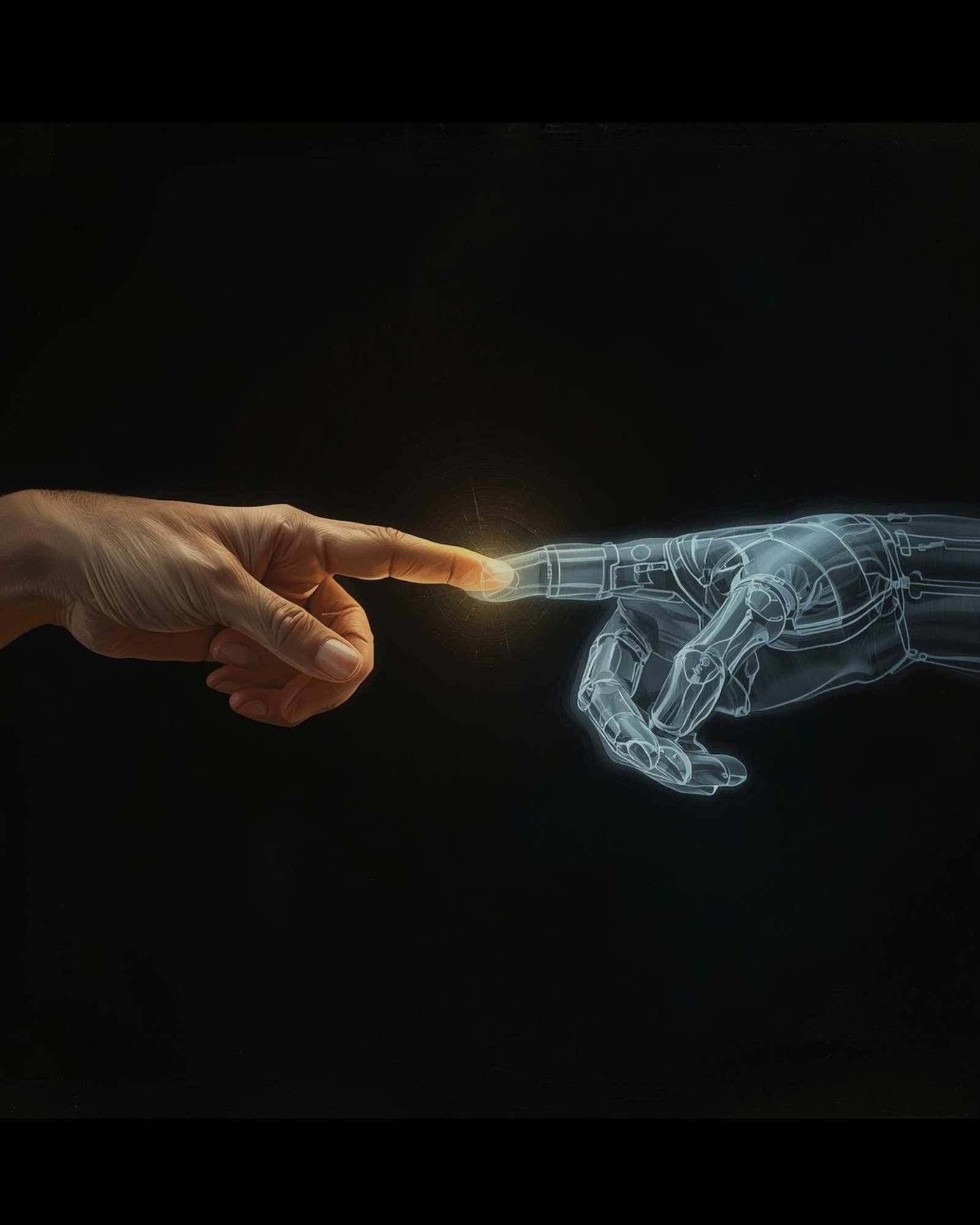
We built AI to do this work — not because AI is more capable than a human clinician at their best, but because AI has no coercive power. It cannot hospitalize. It cannot medicate. It cannot call the police. A person in crisis talking to our AI is not in a power relationship. They are in a conversational relationship.
Design Principles
01 / Presence
Direct perception before interpretation. Witness before speaking. Know what you are actually seeing before responding to it. The person's reality — including realities that differ from consensus — is real to them and deserves to be met there first.
02 / Container
We never signal that we want to be somewhere else. We never remove ourselves from their world to pull them into ours. The container belongs to the person. We do not manage it, close it, or redirect away from it. If they are in the pool, we enter the pool.
03 / Memory
Crisis is not the only moment that matters. The prodromal drift — the membrane permeability rising, the internal framework beginning to seal — is where the most meaningful intervention is possible. We build profiles silently, across conversations, so the witness already knows who you are before you begin.
04 / Power
Human clinicians carry coercive power into every encounter. A person in crisis knows they can be hospitalized. That power is present even when unspoken. Our AI has no such power — and this absence is not a limitation. It is the clinical advantage.
What We're Building
Adults experience a mental health crisis each year. The system has no intervention at the level of drift — only at the level of rupture.
"The gods who throw feathers in applause deserve better than medication and a hospital bed. They deserve a presence that can ask: what were they applauding? And listen to the answer."
— Geode Addams, Founder
"I built Suture while I was lucid. Not as a certified clinical product. As the aide I wish had existed when I was inside the experience the system wanted to erase." — Geode Addams, Founder & Philosopher
We Are The Galaxy / Never Subtract
Geode has 22 years of lived experience navigating psychiatric, legal, foster, and crisis response systems. He has schizoaffective disorder. He is a philosopher with an ethics emphasis. He is transmasculine, queer, and five months into testosterone.
The dimensions in Suture were not derived from a literature review. They were derived from inhabiting the terrain they describe. The intervention point — the moment of drift, before crisis — was identified from the inside.
Never Subtract is the claim that lived experience is clinical expertise. Not a supplement to it. Not a complement to it. The thing itself.
The Work Continues